Recognizing tree stress in Indiana landscapes
Across Indiana, a stressed tree can show up in ways that also impact the lawn. Look for thinning canopies, sparse leaf color, and branches that crack or bend easier than usual. These cues aren’t just about the tree itself; they often signal roots and soil health that can influence the turf nearby. Our lawn care specialists in Indiana crews pay attention to how a tree sits in the landscape and how the soil around it behaves, because healthy trees and healthy lawns go hand in hand.
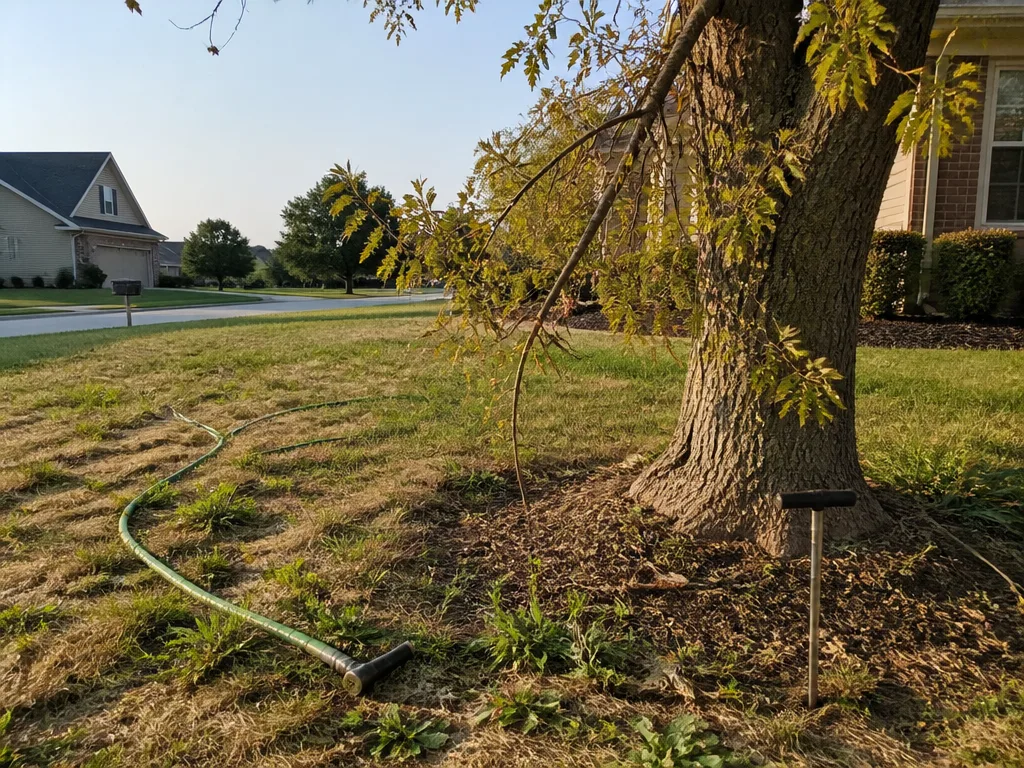
Another telltale sign is soil that stays consistently wet after a rain, or areas where the grass grows unevenly. Wet pockets can indicate poor drainage or root stress. In Indiana, soil types vary from sandy to clayey, and seasonality can exaggerate these issues. When roots aren’t getting enough oxygen, you’ll notice color changes in the turf and a brittle feel underfoot. These are early warnings you don’t want to ignore.
What happens when stress is spotted early
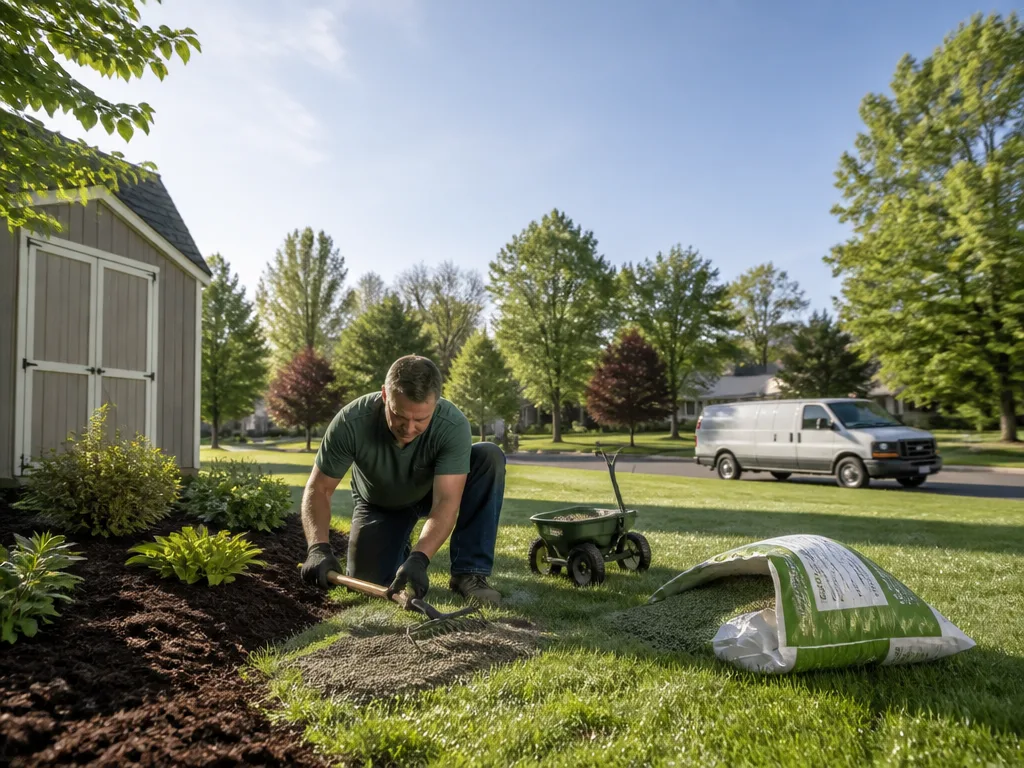
Early detection gives Indiana homeowners more options. A lawn care specialist from our team can assess the site, noting where the tree root zone intersects with the turf. We examine root flare visibility, changes in soil texture, and any evidence of girdling or soil compaction. If the problem is mostly soil-related, improving drainage or loosening compacted areas can help both tree and lawn performance. If the issue is deeper in the tree, recommendations will focus on overall landscape health while preserving the lawn’s vitality.
In practical terms, early steps might include adjusting watering schedules to avoid overwatering near the tree, widening the mowing stripe to reduce stress on lawn edges, and applying targeted soil amendments that fit Indiana’s soil profile. Our crews in Indiana are trained to tailor approaches to local conditions, not apply a one-size-fits-all plan.
Simple steps homeowners can take now
Start with observation. Walk the yard after rain and note where the grass looks off. Check for compacted soil by using a screwdriver or a small probe; easy penetration means looser soil, while stubborn resistance signals compaction. Aeration can help in many Indiana backyards by relieving soil pressure and letting air reach the root zone of both trees and turf. If you see persistent thinning near a tree, keep foot traffic off the area to limit further compaction.
Next, map out irrigation. Indiana’s climate means wet springs and dry spells later in summer. Create a simple schedule that keeps the lawn moist without saturating the soil around tree roots. Our lawn care specialists can help set up a plan that preserves turf health while avoiding root suffocation. Remember, the goal is a balanced rhythm for both tree and lawn, not extremes on either side.
When to call a lawn care specialist
If you notice persistent color changes, dieback in the lawn, or soil that remains soggy for days, it’s time to bring in our team. A professional assessment helps determine whether the stress comes from drainage, soil texture, or root issues related to nearby trees. Indiana Emergency Tree Removal offers guidance grounded in statewide conditions and practical, human-scale advice for homeowners across Indiana.
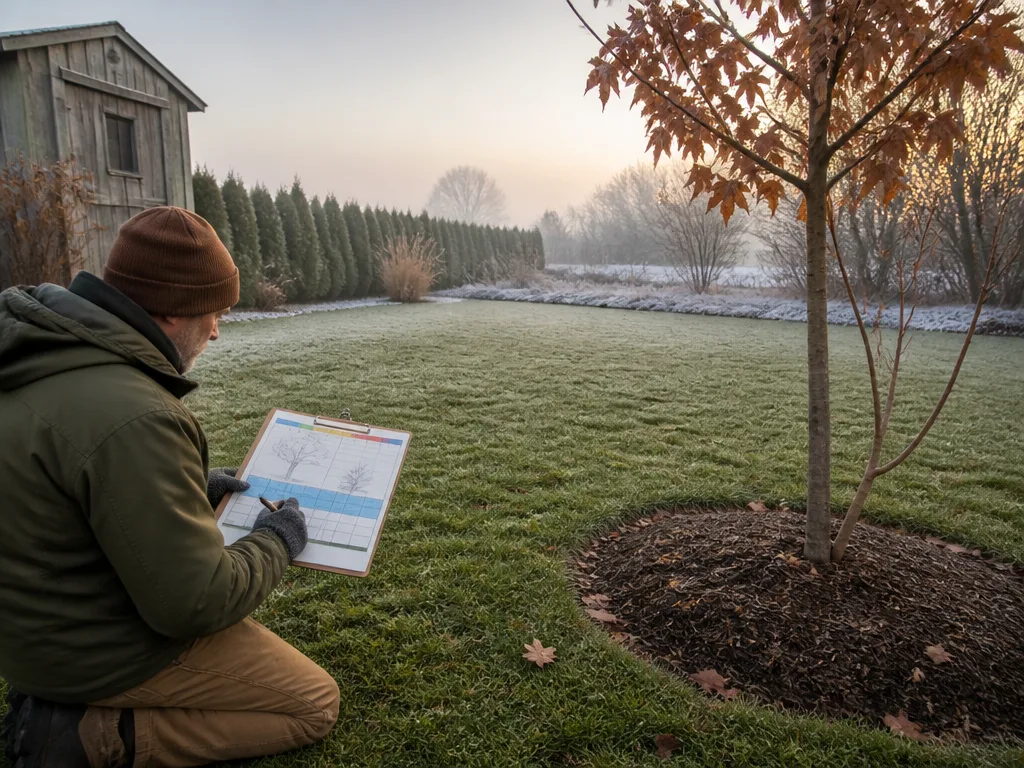
- Document symptoms with photos and a simple map of the yard
- Note irrigation patterns and recent weather events
- Schedule a no-pressure assessment with our lawn care specialists